
Boston Scientific is making a huge diiference by addressing environmental climate challenges. These chanllenges are mainly caused by waste and greenhouse emmision.
It’s impressive to see how Boston Scientific has integrated environmental stewardship into their core business. They are indeed a leader in the medical technology space, having been one of the first in their sector to set such aggressive climate targets.
Here is a breakdown of how they are tackling those waste and emission challenges:
🌍 Strategic Climate Goals
Boston Scientific is operating on a clear, science-based timeline to reach “Net Zero”:
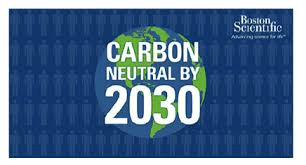
- Carbon Neutrality by 2030: Targeting Scope 1 and 2 emissions (direct operations and purchased energy) across all manufacturing and key distribution sites.
- Net-Zero Emissions by 2050: Aiming for a total net-zero footprint across their entire value chain, including “Scope 3” (suppliers and product end-of-life).
- Renewable Energy: As of 2024, they achieved 100% renewable electricity at their key manufacturing and distribution sites.
♻️ Addressing Waste & Product Lifecycle
To combat the waste issues you mentioned, they use a “Product Stewardship” approach:
- Sustainable Packaging: They have reduced packaging volume by 30% at certain distribution centers and are working toward a 90% reduction in paper Instructions For Use (IFUs) by 2026 by switching to digital alternatives.
- Circular Design: In 2024, they piloted a recycling program in Germany that successfully recovered approximately 1,000 single-use imaging devices.
- Eco-friendly Materials: Their LithoVue Elite™ ureteroscope handles are now made with up to 85% bio-based plastic.
📉 Emissions Reduction (The C³ Strategy)
They follow a “Cut, Convert, Compensate” framework to lower greenhouse gases:
- Cut: Investing in energy efficiency and ISO 50001 certified management systems.
- Convert: Shifting from fossil fuels to renewable sources like onsite solar and wind power.
- Compensate: Using high-quality carbon offsets only for the final, unavoidable emissions.
Addressing safety in the context of environmental climate change requires a two-pronged approach: mitigation (slowing the change) and adaptation (protecting people from the changes already happening).
Because climate change creates new physical hazards—like extreme heat, flooding, and wildfire smoke—safety measures must now be integrated into our workplaces and communities.
Workplace Safety Measures
As temperatures rise and weather becomes more unpredictable, organizations are shifting their Occupational Health and Safety (OHS) protocols:
- Heat Stress Protocols: Implementing mandatory rest breaks, providing shaded cooling areas, and ensuring constant access to hydration for outdoor and warehouse workers.
- Air Quality Monitoring: Equipping facilities with high-grade filtration and monitoring systems to protect employees from respiratory issues during wildfire or high-pollution events.
- Adaptive Scheduling: Shifting high-exertion tasks to cooler parts of the day (early morning or late evening) to prevent heatstroke.
- Infrastructure Resilience: Retrofitting buildings to withstand extreme wind or flooding and ensuring that emergency backup power is available for critical safety systems.
Community & Public Safety
On a broader scale, safety measures focus on resilience and “building back better” after disasters:
- Early Warning Systems: Developing localized, real-time alert systems for floods, storms, and fires to allow for timely evacuations.
- Nature-Based Defenses: Planting mangroves or creating “sponge cities” with permeable surfaces to naturally manage storm surges and heavy rainfall.
- Emergency Action Plans: Communities are increasingly creating Disaster Preparedness Plans that include mapped evacuation routes and designated “cooling centers” for vulnerable populations during heatwaves.
Corporate Safety (The Boston Scientific Example)
Companies like Boston Scientific align their safety measures with environmental goals to create a “healthier planet.” Their Global EHS Policy includes:
- ISO 50001 Certification: Using standardized energy management to reduce the risk of power-related operational failures.
- Hazard Elimination: Systematically identifying and removing environmental hazards in the supply chain to prevent chemical leaks or waste contamination during extreme weather.
- Net-Zero Alignment: Reducing emissions to prevent the “long-term safety risk” of runaway climate change.
Summary of Safety Strategies
| Category | Mitigation (Prevention) | Adaptation (Protection) |
| Energy | Switching to solar/wind power | Installing backup microgrids |
| Transport | Using electric vehicles (EVs) | Designing flood-proof roads |
| Health | Reducing air pollutants | Providing PPE for heat/smoke |
| Waste | Circular recycling programs | Managing disaster debris safely |
As a summary of Boston Scientific’s environmental strategy, their approach is built on aggressive, science-based timelines that treat sustainability as a core operational requirement rather than an optional initiative.
Key Takeaways: Waste & Emissions
| Objective | Key Strategy | Recent Milestones/Targets |
| Carbon Neutrality | The “Cut, Convert, Compensate” framework to eliminate Scope 1 & 2 emissions. | 100% renewable electricity achieved at all key manufacturing and distribution sites as of 2024. |
| Net-Zero Goal | Expanding efforts to Scope 3 emissions (entire value chain). | Committed to reaching full Net-Zero emissions by 2050. |
| Waste Reduction | Product Stewardship focused on leaner packaging and digital transition. | 30% reduction in packaging volume; goal of 90% reduction in paper IFUs by 2026. |
| Circular Economy | Designing products for reuse and using sustainable materials. | Piloted imaging device recycling in Germany; used 85% bio-based plastic in LithoVue Elite™ handles. |
Summary of Impact
Boston Scientific isn’t just “offsetting” their footprint; they are fundamentally redesigning how medical devices are made and delivered. By achieving ISO 50001 certification for energy management and transitioning to renewable power, they have moved from environmental “awareness” to being a sector leader in decarbonization. Their focus on circular design (recycling single-use scopes) addresses the unique challenge of medical waste while maintaining high patient safety standards.

 DAVFLY
Since it doesn’t seem that the Green New Deal will take shape any time soon, it’s good to see entities in the private sector making moves to deliver a green reality. Hopefully this can set a cultural standard that influences companies and even the public sector to contribute.
LikeLike