
These has triggered and driven the collapsing economy, political repression, and a violent state response that has pushed ordinary citizens into nationwide strikes and demonstrations.
What Triggered the Strike?
1. Economic Collapse and Currency Freefall
- The protests began on December 28 when Iran’s currency, the rial, sharply collapsed, sparking strikes at Tehran’s Grand Bazaar.
- Inflation and shortages have made daily life unbearable, pushing workers, shopkeepers, and students into coordinated strikes.
2. Public Anger Over Violent Crackdowns
- Security forces—including the Revolutionary Guard (IRGC)—opened fire on peaceful demonstrators, using live ammunition and birdshot.
- Thousands have been killed, according to activist groups, fueling even more outrage and motivating people to shut down businesses and join strikes.
3. Generational and Political Demands
- Protesters are no longer asking for reforms—they are demanding an end to clerical rule and calling for new leadership.
- Many chants reference the exiled Crown Prince Reza Pahlavi, signaling a shift toward open calls for regime change.
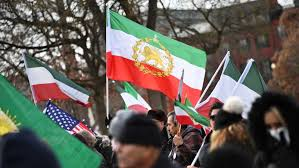
Why Did the Revolutionary Guard Issue Warnings?
1. The Regime Sees Security as a “Red Line”
- The IRGC declared that maintaining internal security is non‑negotiable and vowed to “protect public property” and suppress unrest.
- They accused “terrorist groups” and foreign actors of fueling the protests, framing the unrest as a threat to national stability.
2. Fear of Losing Control
- The scale of the protests—spreading across nearly every major city—has shaken the regime more than any movement since 1979.
- With strikes shutting down parts of the economy, the government fears a tipping point where public pressure becomes irreversible.
3. International Pressure Intensifying the Crisis
- U.S. officials have warned Iran against killing protesters, and military assets have moved toward the region.
- This external pressure has made the IRGC more aggressive in its messaging, warning both protesters and foreign governments.
What Is Behind the Unrest Overall?
Root Causes
- Economic desperation from years of sanctions, corruption, and mismanagement.
- Political repression, censorship, and lack of freedoms.
- Brutal crackdowns that have destroyed public trust.
- A young population demanding dignity, rights, and a future.
Immediate Spark
- The currency collapse and violent response to early protests turned economic frustration into a nationwide uprising.
Protests in Iran over the in-custody death of Mahsa Amini entered the seventh week, as the head of Iran’s Revolutionary Guard warned protesters that Saturday will be their last day taking to the streets.
Why it matters: Hossein Salami’s warning, which uses some of the toughest language since the demonstrations began last month, is a sign that security forces may intensify their crackdown on unrest rocking the country.
What he’s saying: “Do not come to the streets! Today is the last day of the riots,” Salami said, according to Reuters.
- “This sinister plan, is a plan hatched … in the White House and the Zionist regime,” Salami said, cementing that Iran’s clerical leadership blames its foreign enemies, including the U.S., for the protests.
The big picture: Protesters have already faced an increasingly hardened government crackdown, including deadly violence by security forces, mass arrests and internet restrictions in what has become the largest demonstration against the regime in years.
The nonprofit Iran Human Rights estimated Friday that 24 children were among the at least 345 people killed in the protests since they began in mid-September.
Flashback: Amini, 22, died in police custody after she was arrested by Iran’s morality police for violating the country’s mandatory head-scarf law.
- Her death has sparked weeks-long protests across dozens of cities throughout the country.
- Iran’s government has responded to the unrest by restricting internet access, and authorities have responded with tear gas and use of force.

 DAVFLY