
The unrest in Iran stems from a convergence of deep economic hardship, political repression, and long‑standing social grievances. Protesters across the country have been driven by collapsing living conditions, anger at authoritarian rule, and a demand for fundamental political change.
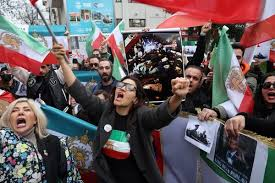
Core Causes Behind the Protests
1. Severe Economic Crisis
- Currency collapse and soaring inflation triggered the first wave of demonstrations in late December 2025. Shopkeepers in Tehran’s Grand Bazaar went on strike after the rial sharply depreciated, and the protests quickly spread nationwide.
- Worsening living conditions, water and energy shortages, and long‑term economic mismanagement intensified public frustration.
2. Political Repression and Authoritarianism
- Decades of human rights abuses, censorship, and lack of political freedoms created a pressure cooker environment. Protesters demanded dignity, rights, and an end to the Islamic Republic’s authoritarian system.
- Security forces responded with unlawful lethal force, including firing from rooftops and using metal pellets against crowds, which further inflamed public anger.
3. Trigger Events That Escalated the Movement
- The protests intensified dramatically on January 8, after a public call for demonstrations by exiled Crown Prince Reza Pahlavi. Crowds openly called for regime change.
- The government’s internet blackout—the longest in Iran’s history—was intended to conceal the crackdown but instead fueled more resentment.
4. Systemic and Ideological Grievances
- Protesters cited:
- Mandatory hijab enforcement
- Ethnic and religious discrimination
- Corruption and lack of accountability
- Foreign proxy involvement draining national resources These systemic issues contributed to a broad coalition of demonstrators across age, class, and ethnic lines.
5. Escalating Violence by the State
- Reports describe mass killings, torture, and disappearances during the crackdown, with thousands killed in just a few days (January 8–9). This level of brutality galvanized even more public outrage.
- Amnesty International confirmed massacres and widespread use of lethal force, marking the deadliest repression in decades.
Main Driving Forces Behind the Riots
- Economic desperation: People could no longer tolerate the collapse of their livelihoods.
- Demand for political change: Many protesters explicitly called for the end of the Islamic Republic and a transition to a new system.
- Collective trauma and anger: Years of crackdowns, including the 2019 and 2022 protests, created a sense that peaceful reform was impossible.
- Generational shift: Younger Iranians, more defiant and connected to global norms, played a major role in sustaining the movement.
European Union foreign ministers have adopted a sweeping new package of sanctions targeting Iranian officials, security forces, and entities involved in the violent crackdown on protesters and Iran’s military support to Russia. The measures include asset freezes, travel bans, and a political push to designate the Islamic Revolutionary Guard Corps (IRGC) as a terrorist organization.
Key Elements of the Newly Adopted EU Sanctions
🔹 1. Sanctions on Individuals and Entities Involved in Protest Crackdowns
EU ministers approved sanctions against 15 officials and six entities responsible for human rights abuses during Iran’s suppression of nationwide protests. These include:
- Iran’s Interior Minister Eskandar Momeni
- Prosecutor General Mohammad Movahedi-Azad
- Presiding Judge Iman Afshari
- IRGC commanders and senior police officials
- Entities involved in internet censorship, surveillance, and disinformation, such as SATRA and the Seraj Cyberspace Organization
🔹 2. Measures Targeting Iran’s Support for Russia
The EU cited Iran’s continued military support for Russia’s war in Ukraine as a major factor. The sanctions expand restrictions on:
- Individuals tied to weapons transfers
- State-linked organizations contributing to Russia’s war effort
🔹 3. Asset Freezes and Travel Bans
All listed individuals and entities face:
- EU-wide asset freezes
- Travel bans
- Prohibitions on receiving EU funds or economic resources
🔹 4. Expanded Export Restrictions
The EU reinforced bans on exporting:
- Equipment used for internal repression
- Telecommunications monitoring tools These measures aim to limit Iran’s ability to surveil and suppress its population.
🔹 5. Political Agreement to Add the IRGC to the EU Terror List
EU ministers signaled strong support for designating the Islamic Revolutionary Guard Corps (IRGC) as a terrorist organization—placing it alongside groups like ISIS and al‑Qaeda.
- France and Italy, previously hesitant, now back the move.
- The designation is symbolic but politically significant, signaling a major shift in Europe’s stance toward Tehran.
🔹 6. Broader Sanctions Package Against 21 Additional Officials and State Entities
A separate package includes:
- Visa bans
- Asset freezes
- Sanctions on ministers, prosecutors, police chiefs, and senior IRGC members
European Union foreign ministers adopted the above new sanctions on Iran on Thursday targeting individuals and entities involved in a violent crackdown on protesters and in the country’s support to Russia, EU diplomats said on Thursday.
The ministers are also expected to reach a political agreement to include Iran’s Islamic Revolutionary Guard Corps on the bloc’s list of terrorist organisations, putting the IRGC in a category similar to that of Islamic State and al Qaeda and marking a symbolic shift in Europe’s approach to Iran’s leadership.
Some EU members, led by France, have long been reluctant to add the IRGC to that list, but Paris said on Wednesday it would support the move, paving the way for an approval, even though such a decision needs unanimity among the bloc’s 27 members.

 DAVFLY