
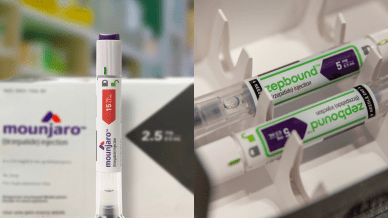
Balanced nutrition and ergonomic improvements are low‑risk, sustainable, and preventive. In contrast, medications like Zepbound and Mounjaro—both containing tirzepatide—come with medical, financial, and practical drawbacks.
The disadvantages below are grounded in the search results you triggered.
📌 1. Significant Side Effects
Both Zepbound and Mounjaro commonly cause gastrointestinal issues:
- Nausea (up to 29% for Zepbound; 18% for Mounjaro)
- Vomiting
- Diarrhea
- Constipation
- Stomach pain
More serious risks include:
- Pancreatitis
- Gallbladder disease
- Kidney damage
- Possible thyroid tumors (contraindicated for people with certain thyroid cancer histories)
Balanced nutrition and ergonomic improvements do not carry these medical risks.
📌 2. They Require Weekly Injections
Zepbound and Mounjaro are injectable medications, taken once weekly.
This introduces:
- Needle anxiety
- Injection‑site reactions
- Need for training on proper administration
Workplace wellness strategies avoid medical procedures entirely.
📌 3. High Cost and Insurance Limitations
Zepbound and Mounjaro are brand‑name only with no generics available.
Insurance coverage varies:
- Zepbound: weight management or sleep apnea benefits only
- Mounjaro: diabetes benefits only
Balanced nutrition and ergonomic interventions are typically:
- Lower cost
- Covered by employers
- Long‑term investments rather than recurring expenses
📌 4. Risk of Rebound Weight Gain
Stopping tirzepatide can lead to weight regain, a known issue with GLP‑1/GIP agonists (noted in clinical discussions and consistent with the mechanism described in the search results).
Nutrition and ergonomic improvements build sustainable habits that don’t disappear when a medication stops.
📌 5. Not a Substitute for Healthy Habits
Even the FDA‑approved use of Zepbound requires:
- Reduced‑calorie diet
- Increased physical activity
Meaning: You still need nutrition and lifestyle changes even when using the drug.
Workplace wellness programs directly target these root causes.
📌 6. Does Not Address Workplace Stressors
Zepbound and Mounjaro treat biological symptoms, not the environmental causes of obesity or diabetes risk, such as:
- Chronic stress
- Poor work‑life balance
- Sedentary work
- Poor ergonomics
- Irregular schedules
Occupational health psychology emphasizes modifying the work environment, which medications cannot do.
📌 7. Contraindications Limit Who Can Use Them
People with the following cannot use tirzepatide:
- Personal or family history of medullary thyroid carcinoma
- Multiple Endocrine Neoplasia syndrome type 2
- Type 1 diabetes (for Mounjaro)
Nutrition and ergonomic improvements are universally applicable.
✅ Summary Table
| Factor | Zepbound / Mounjaro | Balanced Nutrition & Ergonomics |
|---|---|---|
| Side effects | High (GI issues, serious risks) | Minimal |
| Cost | High, brand‑name only | Low to moderate |
| Sustainability | Dependent on continued use | Long‑term habit‑based |
| Addresses workplace causes | No | Yes |
| Accessibility | Limited by contraindications | Universal |
| Administration | Weekly injections | No medical procedures |
✅ Bottom Line
Zepbound and Mounjaro can be effective for obesity and diabetes, but they come with medical risks, high costs, and do not address workplace‑driven contributors to health issues. Balanced nutrition and ergonomic improvements are safer, preventive, and sustainable, especially within an occupational health psychology framework.

 DAVFLY