
Copper (CU) is a chemical element with atomic number 29. It is reddish brown metallic element that heavily ductile and excellent conductor of electricity and heat. Copper is typically found in nature in its natural form and its extracted from ores such as chalcopyrite and bornite.
The primary source of copper is the earth’s crust which contains copper at approximately 0.007%. Copper is used in various applications including electrical wiring, plumbing, building materials, painting and much more as a constituent in alloys like brass and bronze.
The conductivity of Cooper is very high producing high level of magnetism to produce electricity, radiation, refraction and polarization.
Copper’s best use is in electrical applications, especially wiring, power transmission, and electronics, because it has the highest electrical conductivity of any commercial metal. It is also widely used in plumbing, construction, heat exchange systems, and consumer devices due to its durability, corrosion resistance, and thermal properties.
⚡ Why Copper Excels in Electrical Applications
- Highest electrical conductivity among commercial metals, meaning minimal energy loss during transmission.
- Used in power cables, telecommunications lines, magnet winding wire, and printed circuit boards.
- Essential for semiconductors, connectors, and consumer electronics like smartphones and computers.
🚰 Plumbing & Piping
- Copper resists corrosion and can withstand high heat.
- Common in water pipes, gas lines, and refrigeration systems.
- Has antimicrobial properties, reducing bacterial growth in water systems.
🏗️ Construction & Architecture
- Copper is durable and aesthetically appealing.
- Used in roofing, gutters, facades, and decorative elements.
- Over time, it develops a green patina that protects against further corrosion.
🔥 Heat Exchange & Thermal Applications
- Copper’s high thermal conductivity makes it ideal for heat exchangers, radiators, and cooling systems.
- Helps regulate temperature in industrial and consumer devices.
🌍 Sustainability
- Copper is 100% recyclable without losing its properties.
- Plays a role in green building practices and sustainable infrastructure.
Copper’s unmatched conductivity makes it indispensable for electricity and electronics, while its durability and resistance to corrosion extend its usefulness to plumbing, construction, and heat management.
Copper’s high conductivity reduces energy losses, which lowers electricity costs per kilowatt. But copper’s impact goes far beyond just cheaper energy. Here’s what more it brings:
🌍 Broader Benefits of Copper
- Energy Efficiency in Infrastructure
- Copper wiring in power grids reduces transmission losses.
- More efficient motors and transformers save electricity in industrial and household use.
- Renewable Energy Systems
- Essential in solar panels, wind turbines, and hydroelectric generators.
- Improves efficiency of renewable energy capture and distribution.
- Electronics & Digital Economy
- Used in semiconductors, circuit boards, and connectors.
- Enables faster, more reliable data transfer in devices and networks.
- Transportation & Electric Vehicles (EVs)
- EVs use 3–4 times more copper than traditional cars.
- Improves battery efficiency, charging infrastructure, and motor performance.
- Climate & Sustainability
- Copper is 100% recyclable without losing quality.
- Plays a key role in building green cities with efficient HVAC, lighting, and smart grids.
- Healthcare & Safety
- Copper surfaces have antimicrobial properties, reducing bacteria in hospitals and public spaces.
- Used in medical equipment for reliability and hygiene.
✅ In short: Copper doesn’t just cut electricity costs — it’s a backbone of clean energy, digital innovation, sustainable infrastructure, and even public health.
Here’s a structured table mapping copper’s role across industries, showing how it reduces energy costs and delivers broader benefits:
🌐 Copper’s Role Across Industries
| Industry | Copper’s Role | Impact |
|---|---|---|
| Energy & Power ⚡ | Wiring, transformers, motors, power grids | Reduces transmission losses, lowers electricity costs per kWh |
| Renewable Energy 🌞 | Solar panels, wind turbines, hydro systems | Boosts efficiency of clean energy capture and distribution |
| Electronics & IT 💻 | Circuit boards, semiconductors, connectors | Enables faster, reliable data transfer; supports digital economy |
| Transportation (EVs) 🚗 | Batteries, charging stations, motors | EVs use 3–4× more copper; improves performance and charging |
| Construction & Architecture 🏗️ | Roofing, plumbing, facades, HVAC systems | Durable, corrosion-resistant, energy-efficient buildings |
| Healthcare 🏥 | Medical equipment, antimicrobial surfaces | Reduces bacterial growth; ensures reliability in hospitals |
| Sustainability 🌍 | 100% recyclable material | Supports green cities, smart grids, and circular economy |
✅ In Short: Copper doesn’t just cut electricity costs — it’s a backbone of energy efficiency, renewable power, digital innovation, sustainable infrastructure, and even public health.
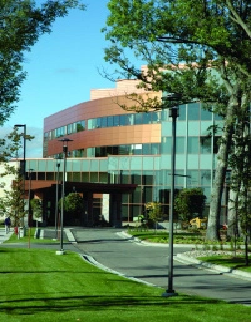
Maple Grove Hospital: This hospital is very popular serving its neighboring communities with the latest state-of-the-arts technology equipment.
Location: Maple Grove, Minnesota USA.
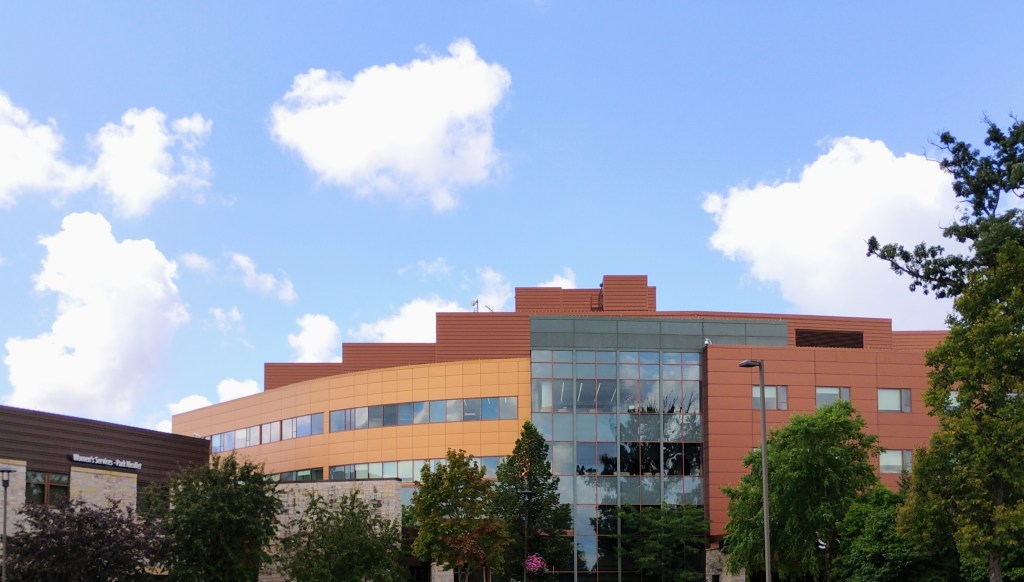
Copper is a beautiful metal alloy material. No other metal, except gold, has a color as attractive and distinct. When exposed to the environment, copper’s shiny red may become brown and then progresses to its distinctive orange shiny color.
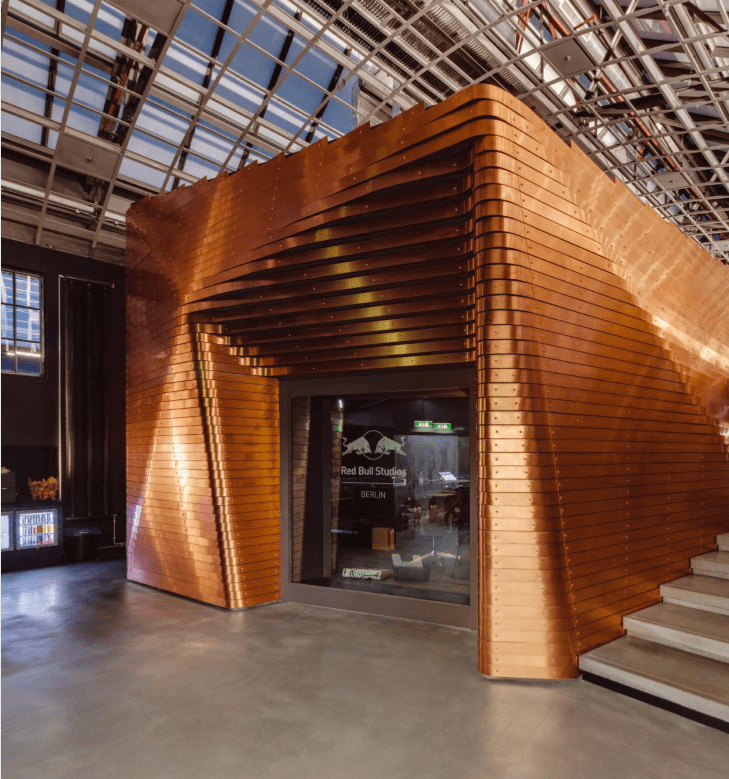
Buildings and Interiors covered with copper are admired for centuries. Copper is a beautiful material. No other metal, except gold, has a color. When exposed to the environment, copper’s shiny red becomes brown and then progresses to its distinctive orange shiny color.
This article presents some of the best architecture and interior from around world. It showcases the rich variety of surfaces that copper and its alloys can deliver for contemporary design – whether gold, brown, or orange – all living materials continuing to develop in the local environment. But what stands out is the wealth of different, sometimes innovative, approaches taken by designers today with how and where they use copper.
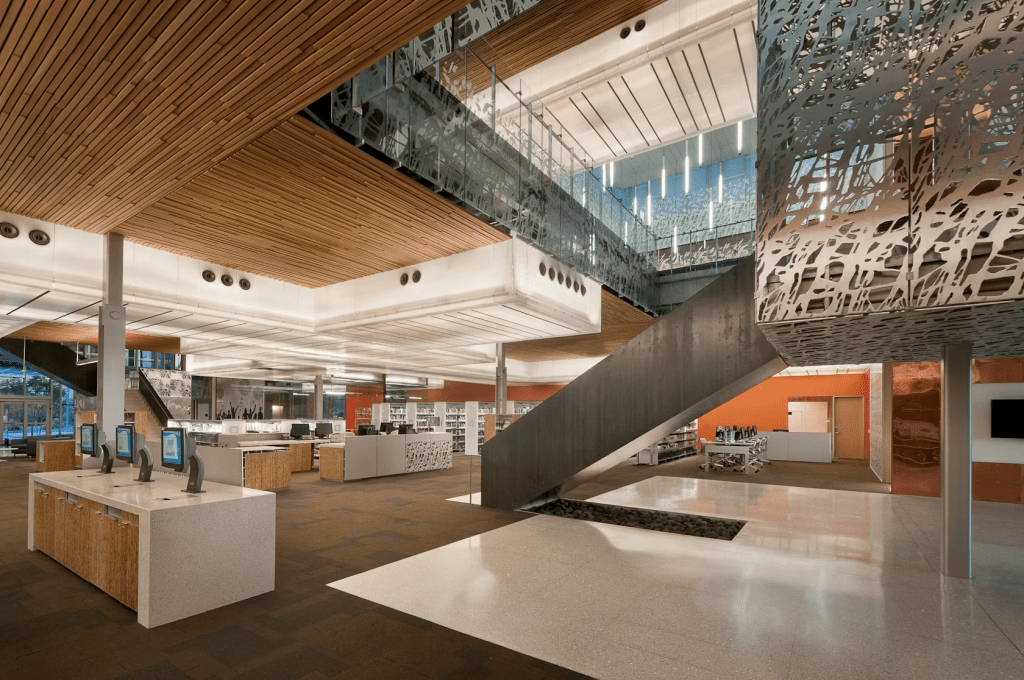
South Mountain Community Library Phoenix, AZ US.
Created as a modern community library, this building was designed to serve both public and academic uses. Conceptually, the building explores both functional and formal layering. The weathered copper skin was used to create a naturally ventilated skin.
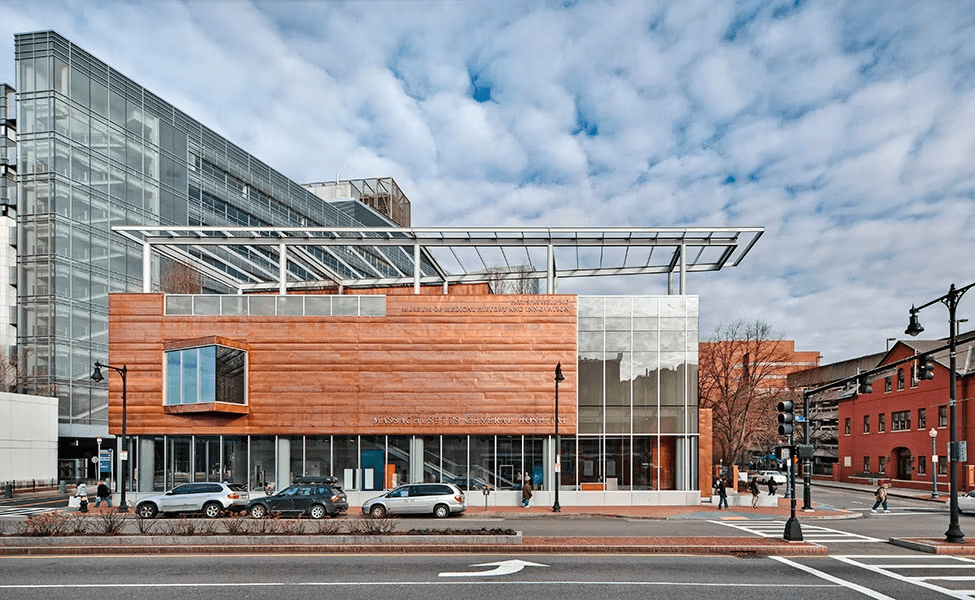
This modern architecture building uses metallic copper sheets to define its hollow vessels with seamless edges. The openness of its structure invites bright sunlight, versatility and calmness. Visitors fine this structure appealing and attractive revealing more creativity and imagination.
Location: Toyko, Japan.

Summary:
Since its discovery in 8700 B.C., copper has been one of the most used metals in the history of humankind. It has a variety of uses from medals, coins and weapons to statues and even architecture. One of its first architectural uses was in Ancient Egypt for the massive doors of the temple to Amen-Re at Karnak in 300 B.C.
The versatility of the material continues in architecture to this day, allowing for a variety of unique designs and uses. The innovative, efficient, and lightweight material is versatile in its use, ranging from facades to roofs, interior applications, and high tech solutions. Sustainable in its natural form, the material is 100% recycled. As the state of architecture becomes more focused on sustainability, copper becomes the ideal material for decorative and attractive buildings of today.

 DAVFLY