
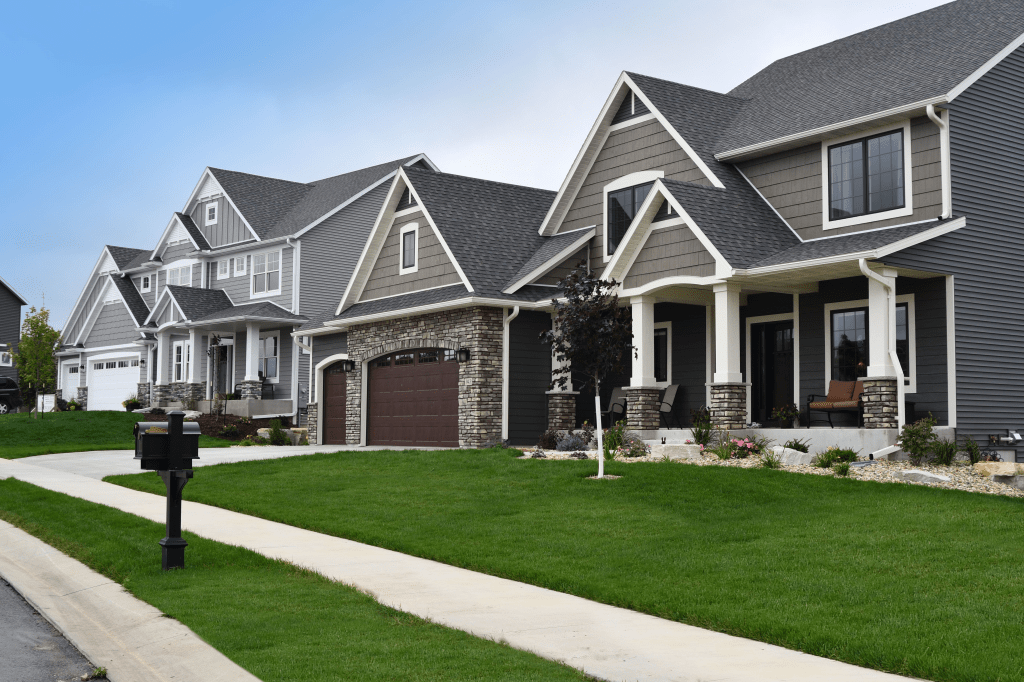
With the rise in housing market prices, does it require a correction?
When housing prices stagnate, a correction is not always necessary, but it can occur depending on the underlying factors causing the stagnation. Here’s how to think about it:
- Supply and Demand Dynamics:
- If stagnation happens because housing supply meets demand, it’s a sign of market equilibrium rather than an issue requiring correction.
- However, if stagnation results from suppressed demand (e.g., due to unaffordable prices or economic uncertainty), market adjustments may occur as prices realign with buyers’ purchasing power.
- Overvaluation:
- If housing prices have been artificially inflated by speculation or excessive borrowing, stagnation might signal the need for a correction. This could involve prices falling to more sustainable levels.
- Economic Context:
- Broader economic factors, such as rising interest rates or reduced consumer spending, can cause stagnation. In these cases, a correction may not be necessary if the market adjusts gradually over time.
- Policy Impacts:
- Government intervention, such as subsidies or tax incentives, could help stabilize the market if stagnation stems from systemic issues like a lack of affordable housing.
Overall, stagnation is not inherently bad—it can even be a sign of a stabilizing market. Corrections are typically needed only if there are underlying imbalances or unsustainable trends.
What are the Economic factors influencing housing price stagnation?
Housing price stagnation can be influenced by several economic factors, including:
- Interest Rates: High interest rates increase the cost of borrowing, making mortgages more expensive and reducing demand for housing. This can lead to stagnation in prices.
- Economic Growth: Slower economic growth or a recession can reduce household incomes and consumer confidence, limiting people’s ability to buy homes.
- Unemployment: Rising unemployment reduces the number of potential buyers, as fewer people can afford to purchase homes.
- Inflation: While moderate inflation can support housing prices, high inflation may erode purchasing power, making homes less affordable and slowing price growth.
- Supply and Demand Imbalances: An oversupply of housing can lead to stagnation, as there are more homes available than buyers. Conversely, limited supply can stabilize prices even if demand weakens.
- Consumer Confidence: If people expect housing prices to fall, they may delay purchasing, reducing demand and contributing to stagnation.
- Government Policies: Policies such as stricter lending standards or changes in tax incentives can impact affordability and demand, influencing price trends.
These factors often interact, creating complex dynamics in the housing market.
How should buyers or sellers react to stagnant housing market prices?
When housing prices stagnate, buyers and sellers can adapt their strategies to make the most of the situation. Here’s some advice tailored for each group:
For Buyers:
- Seize Negotiation Opportunities: Stagnant prices often indicate a market with less competition. Use this to negotiate better deals on homes or ask for concessions (e.g., closing costs, repairs).
- Focus on Long-Term Value: Rather than expecting immediate gains, evaluate properties based on their long-term potential and location.
- Secure Financing: Stagnant markets can sometimes accompany favorable mortgage rates. Take advantage of this to lock in affordable financing.
- Be Patient: There’s no rush in a stagnant market. Take your time finding the right property at the right price.
For Sellers:
- Enhance Market Appeal: Make your property stand out by staging, upgrading key features (like kitchens or bathrooms), or improving curb appeal.
- Price Competitively: In a slow market, setting a competitive price can help attract buyers and avoid prolonged listing periods.
- Be Flexible: Be open to negotiations and consider offers that may be slightly below your asking price, especially if you’re eager to sell.
- Timing Considerations: If you’re not in a hurry, you might wait for market conditions to improve. However, this could depend on your financial situation and objectives.
For Both:
Stay informed about local and national housing market trends. Understanding economic factors and policies affecting your area will help guide your decisions.
With the government enforcing stricter lending policies could that reduce the exaggerated house prices.
Yes, stricter lending policies can help reduce exaggerated house prices, but the impact depends on various factors. Here’s how it works:
- Reduced Speculative Buying: Stricter lending standards make it harder for speculative investors to access easy credit, which can reduce demand and curb price inflation.
- Improved Affordability: By ensuring that only qualified buyers with the ability to repay loans enter the market, stricter policies can prevent unsustainable price growth driven by risky lending.
- Market Stabilization: These policies can help stabilize the housing market by discouraging over-leveraging and reducing the risk of a bubble.
However, stricter lending policies can also have unintended consequences, such as making it harder for first-time buyers to enter the market. Balancing these policies with measures to increase housing supply and affordability is crucial for long-term stability.
How are these policies affecting specific regions?
Stricter lending policies have had varied effects across different regions, depending on local housing market dynamics and economic conditions:
- High-Cost Urban Areas: In cities with already high housing prices, such as San Francisco or New York, stricter lending policies have made it harder for middle-income buyers to qualify for loans. This has reduced demand slightly but hasn’t significantly lowered prices due to limited housing supply.
- Affordable Regions: In more affordable areas, like parts of the Midwest, these policies have helped stabilize prices by preventing speculative buying and ensuring that buyers are financially qualified.
- Emerging Markets: In regions experiencing rapid growth, such as parts of the Sun Belt, stricter lending standards have slowed the pace of price increases, making housing slightly more accessible.
- Low-Income Areas: Stricter credit requirements have disproportionately affected low-income buyers, who may struggle to meet higher down-payment or credit-score thresholds. This has limited their ability to enter the housing market.
The overall impact of these policies is to promote financial stability, but they can also create barriers for certain groups of buyers.

 DAVFLY