
St. Michael, MN experienced severe thunderstorms which knocked down trees, putting off electricity during an interval period of time. Some of the trees landed on rooftops, and debrids of branches and leaves could be seen on the streets and lawns.
This occured after midnight July 14th, 2024, with periods of non-stop thundering and rainfall.
During this period, it rained heavily causing flooded spots of water. The cleaning process will be followed to cut down falling trees and haulout of the neighborhood.
Damages caused by these severe thunderstorms could be seen the next day from a distance. The natural disaster estimated recovery will be announced later in the week.


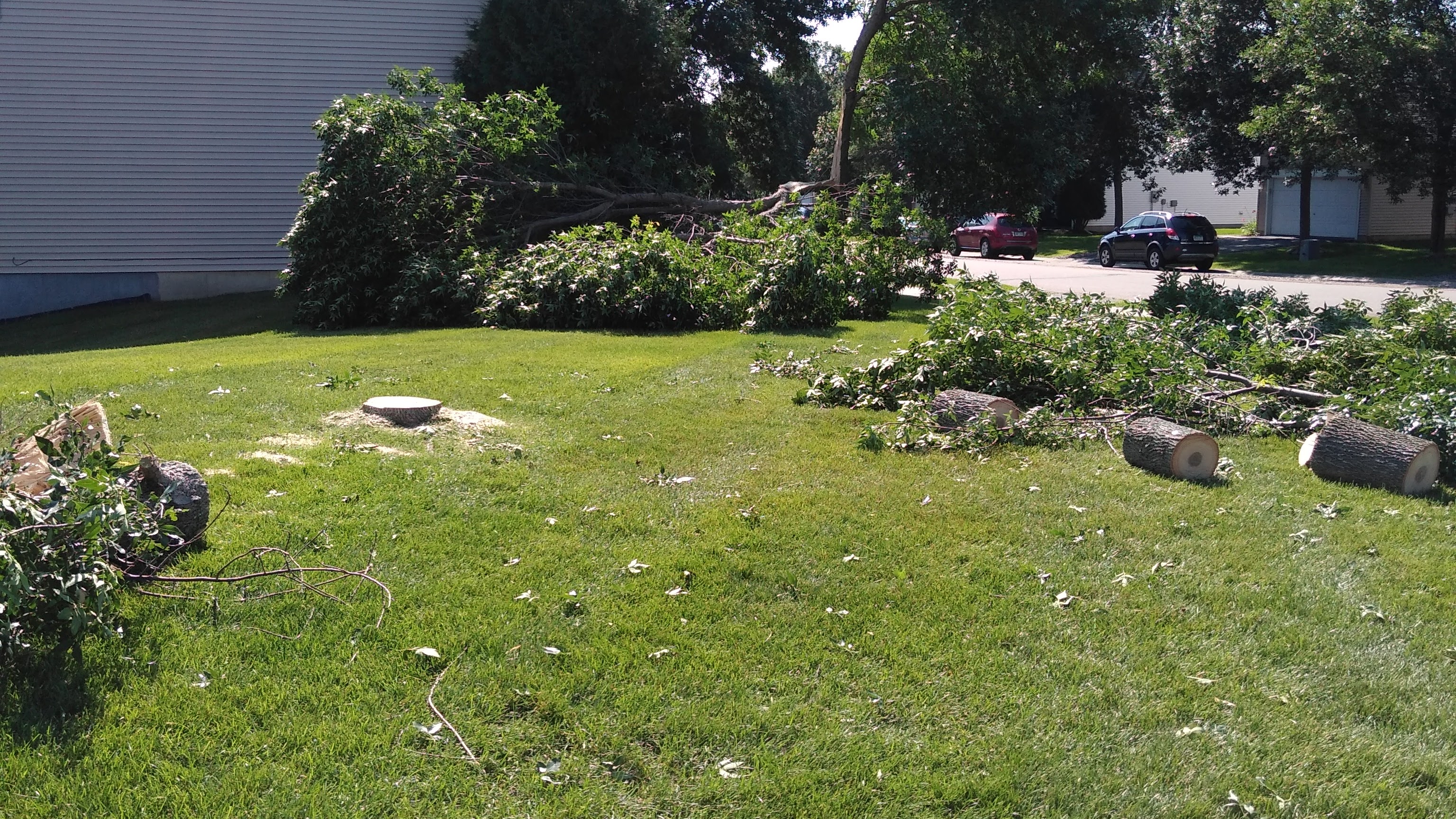

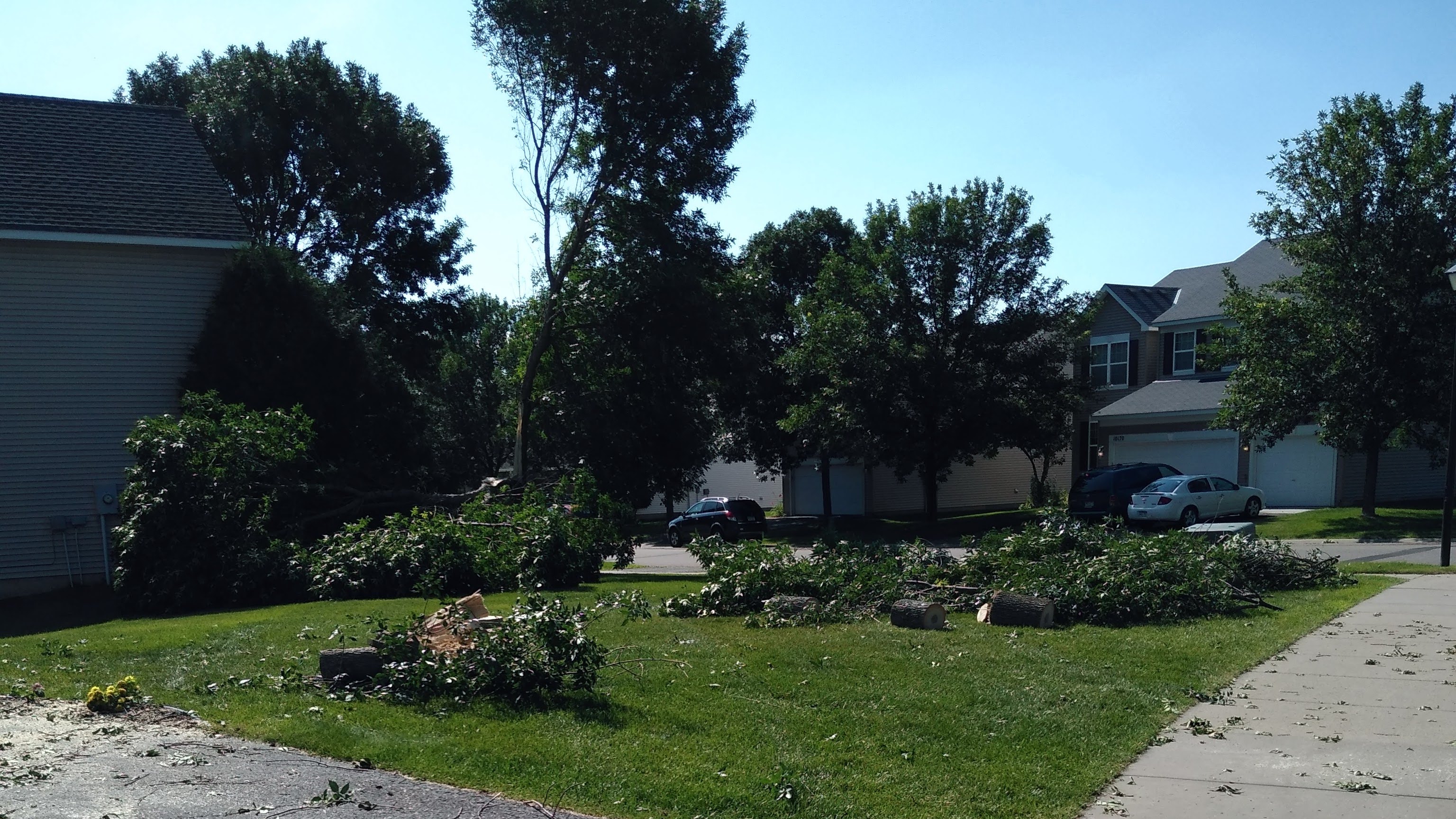
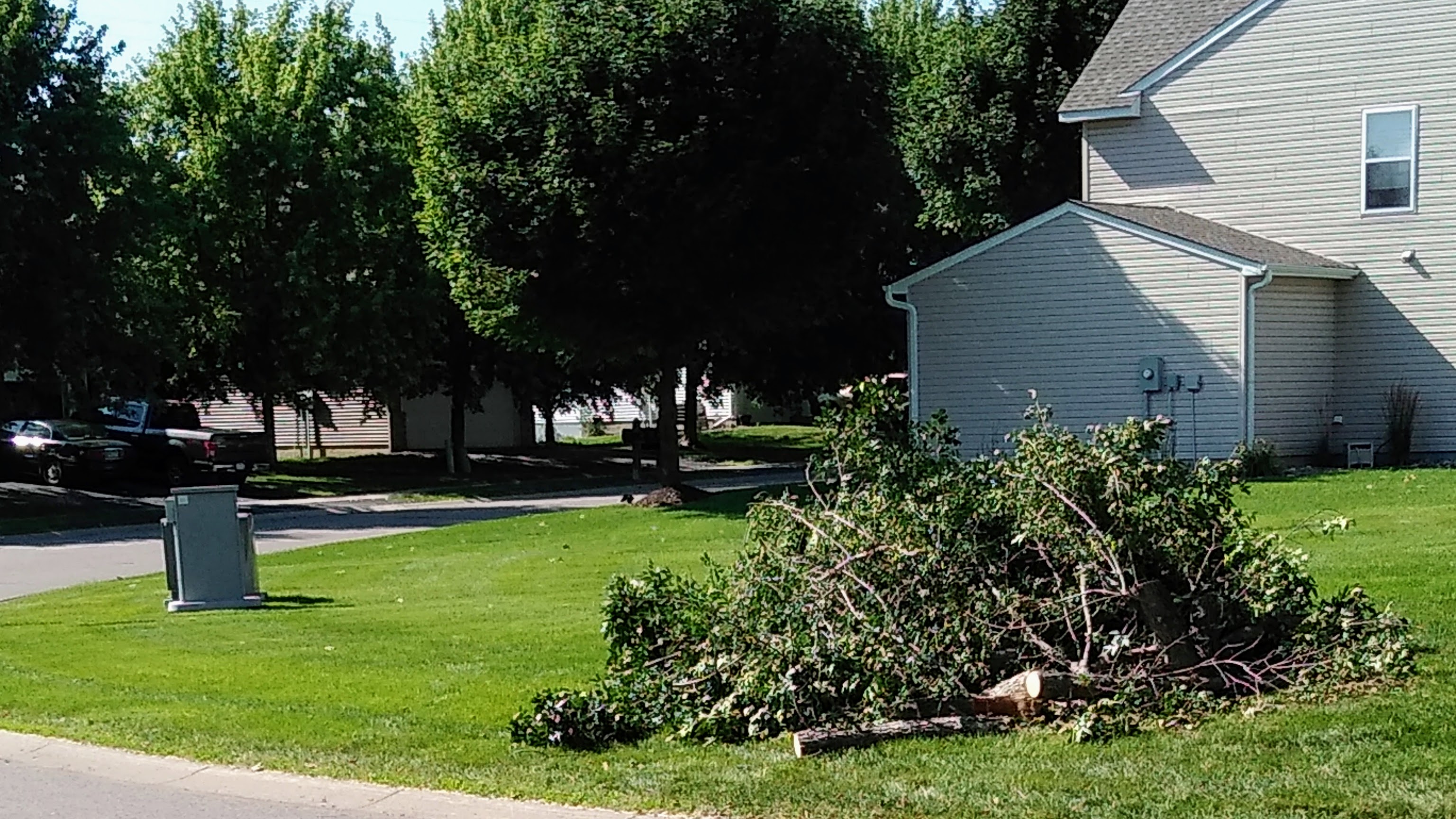


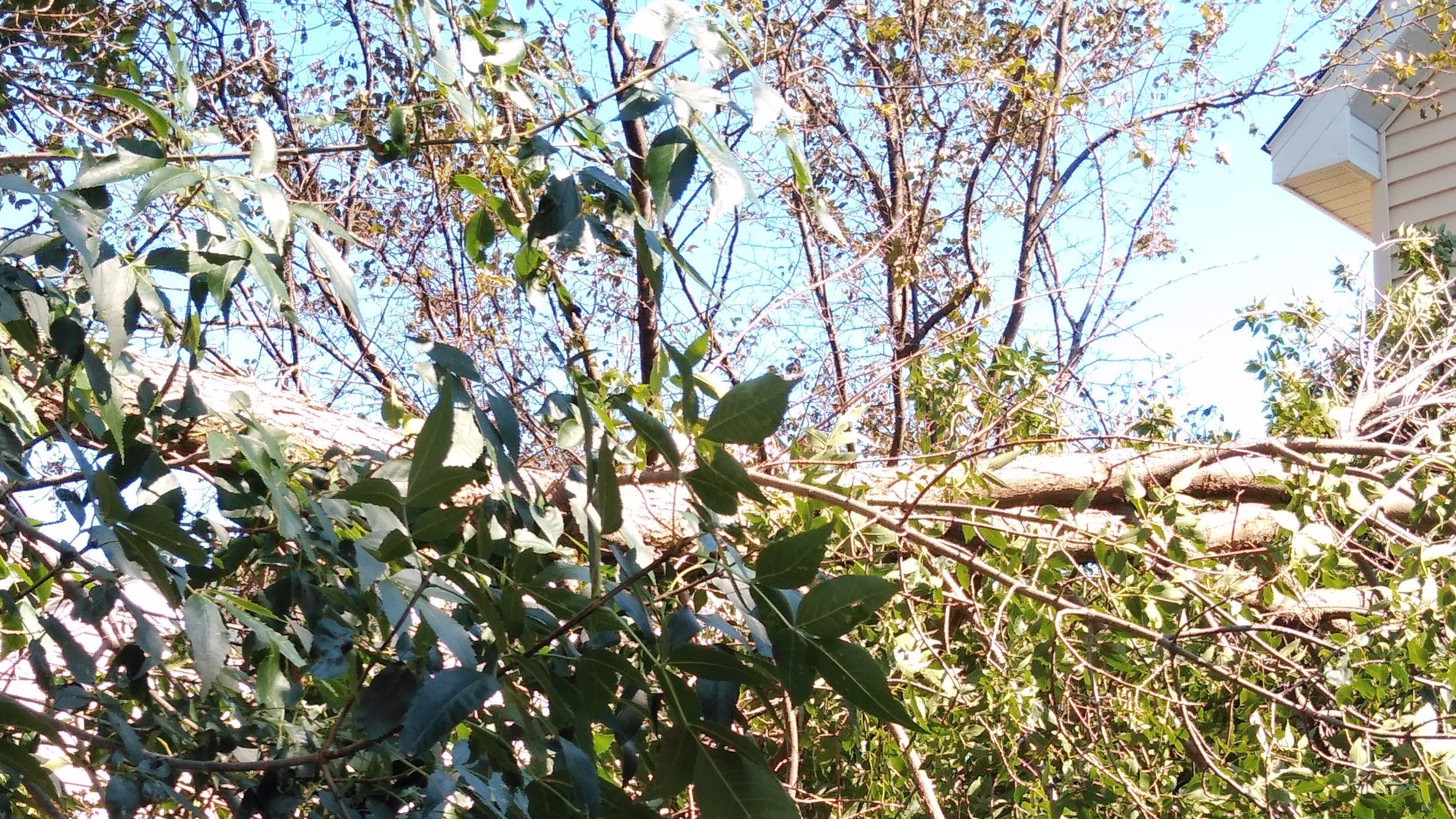


Neighbors said they saw the storms bearing down in the neighborhood and took refuge.
“It just started getting really, really windy, so I ran everyone downstairs,” said one of the neighbor. “I looked out the back and saw a trampoline 20 feet in the air circling around.”
A home in St. Michael bore evidence of a violent night of thunderstorms in the Twin Cities metropolitan area.
The home, at the intersection of 41st. Place N.E. and Kady Ave N.E., may have sustained significant damage to its roof in the front of the building.
Few other homes nearby showed even more comparable damage. The house immediately next door showed very little or no damage.
The St. Michael Patch reported the home’s owners were staying at a friend’s house because of the damage their home sustained.
The Wright County Sheriff’s Office said they received reports last night of a funnel cloud in the area.
The National Weather Service will be in the neighborhood to determine whether the were damages to houses.
Weather Station Limitations
Past, current, or predicted temperature values displayed in a weather report may not always represent the warmest or coldest temperature for a location on a particular day.
This is due to practical limitations:
- Time: If the temperature is recorded at 13:00 (1:00 pm) and again at 14:00 (2:00 pm) but the temperature peaks at 13:30 (1:30 pm), the readings for the maximum temperature will be a little too low.
- Frequency: Some weather stations do not report as frequently as others. Some stations transmit their readings every 30 minutes or every hour while others may do so every 2 or 3 hours. Also, some stations are not consistent with the times in which they provide their reports.
- Location: In some cases, weather stations are quite far away from the city, so weather conditions may differ there.
What Is Weather?
Weather is defined as the state of the atmosphere with respect to heat or cold, wetness or dryness, calm or storm, clearness, or cloudiness. It includes temperature, pressure, humidity, clouds, wind, precipitation, and fog.
While weather relates to mostly temperature and precipitation on a day-to-day basis, climate is the term for average atmospheric conditions over longer periods of time.

 DAVFLY